
Tim Cook Leaves Behind a China Problem
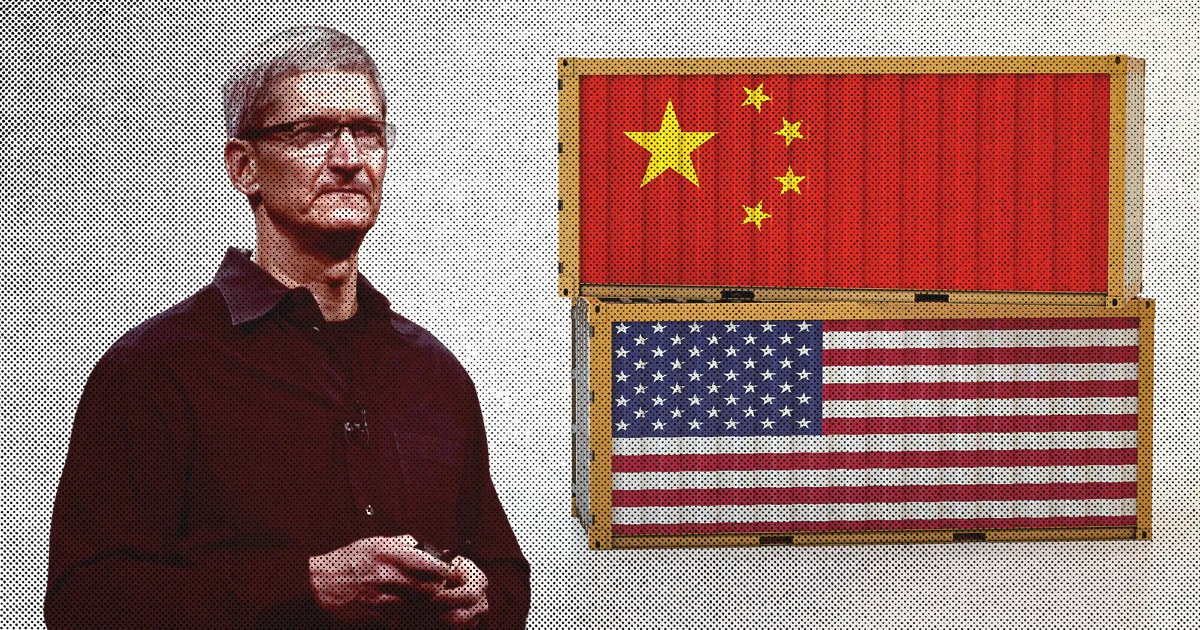
Photo: © Spier in SF (Flickr), licensed under CC BY-NC-ND 2.0.
When Tim Cook steps down as CEO of Apple this September, he will leave behind one of the most successful business legacies in corporate history, along with one of our country’s biggest supply-chain vulnerabilities.
For years, Cook was celebrated for transforming Apple into the world’s most valuable company through a manufacturing network centered in China. But the strategy that powered Apple’s growth also left it “entirely dependent on China’s goodwill,” according to TIP Policy Director Geoffrey Cain.
Despite years of promises to diversify, Apple’s dependence on China remains deeply entrenched. As the Financial Times recently reported, even as Apple shifts some final assembly to India, “most of the same upstream Chinese suppliers…are still there.” That reality reinforces the concerns raised by Isaac Stone Fish in American Affairs and Patrick McGee in The New York Times, both of whom argue that Apple’s business model remains heavily reliant on a market, supply chain, and political environment that Beijing can influence at will.
Cook’s successor will inherit one of the world’s strongest brands. But he will also inherit one of Silicon Valley’s biggest geopolitical challenges: reducing Apple’s dependence on a country that can effectively block the very derisking that U.S. policymakers demand.
From the Intelligence Briefing
Get TIP intelligence in your inbox.
Subscribe to Briefings →